

This is an article that debunks the myth of Suar Wood and provides clarity to those who intend to purchase Suar Wood table. Wood Capitol is the solid wood experts of 30 years of combined experience in this industry. We highly encourage you to know the fact rather than being misled by an online article.
About Suar Wood
Before we get to the wood, let’s give the tree some credit. Suar Wood comes from a tree called the “Rain Tree“. The scientific name for this tree is Albizia Saman. Although that’s a random name, the tree in itself has a perfectly shaped design. An overarching dome that is majestic and forms a protective layer around the entire area it covers. The tree can also grow up to 80 feet tall!
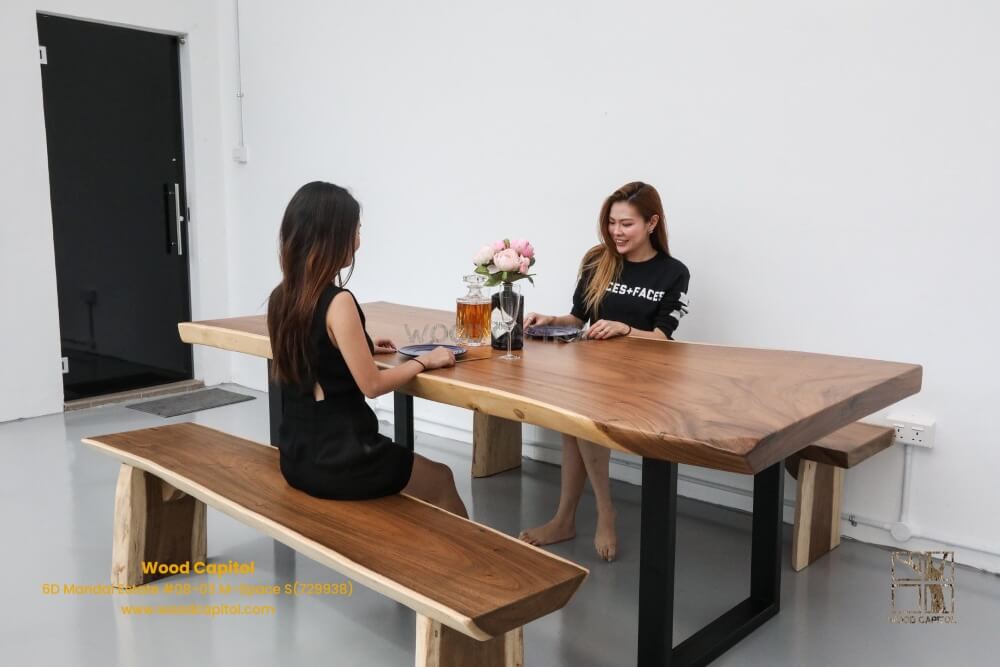
The wood that comes from this tree is something else. The qualities and properties of this wood make it one of the most versatile products for furniture making.
Suar Wood is strong, durable or very durable, with a light yellow sapwood and rich dark chocolate-brown heartwood. The rich colour and beautiful but subtle grain of the heartwood, resembling black walnut makes wood from larger trees highly prized for the table top. The wood is often cross-grained making it highly sought after for its robustness. It is also highly resistant to decay and termites. Suar Wood only requires basic maintenance such as soap & water to maintain its grandeur.
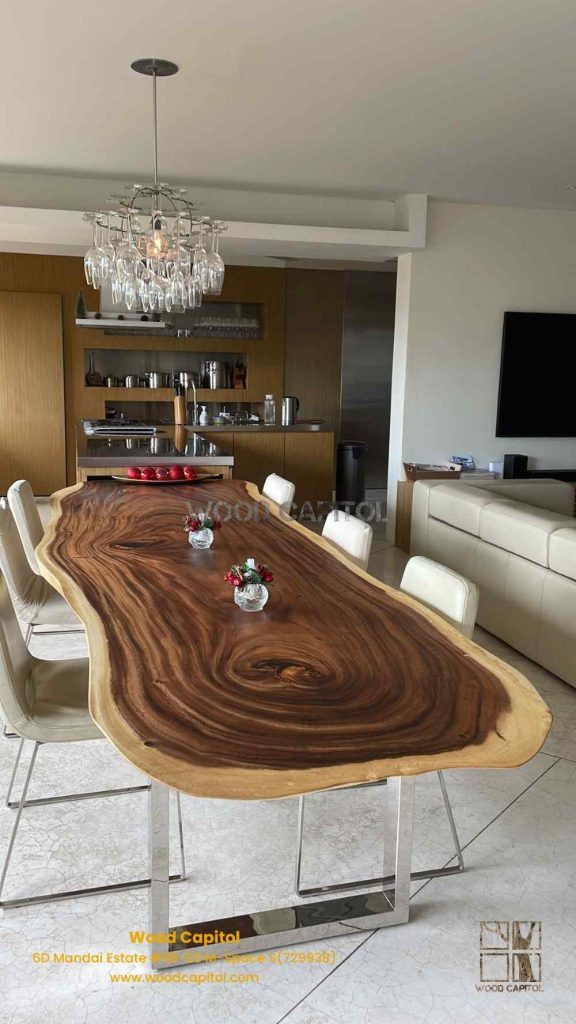
Suar Wood has one thing common with sea shells. Just like every seashell has a different pattern, so does suarwood. The criss-cross nature of the grains bring about interesting designs and patterns on the wood. If you cut out a piece of suar wood ten different times, it’s highly likely that you’ll get ten different patterns. There is one more aspect to the natural patterns. It’s the color of the patterns, you get a dark brown finish, as well as a light brown. This is great for long tables in restaurants and offices because of the unique patterns which gives a different feel to each table that breaks away monotony.

Origin of Suar Wood
Suar Wood or some refer as South American Walnut and often regarded as the source for top quality wood slab table. This type of Rain Tree originates from South and Central America, it has been widely introduced to Southeast Asia and planted throughout the tropics. Owing to its popularity all across the world, Suar Wood is called by different names in different parts of the world. In the West, it is often referred to as Monkeypod, Samanea Saman, Parota and South American Walnut.
In Thailand, they called it Acacia. In Indonesia, people referred them as Suar Wood. In Chinese, we called it “雨树” direct translation of the Rain Tree. Under NatureServe conversation, the Rain Tree species receive the status of G5 globally. This indicates its abundance, widespread and is in no danger of extinction. Wood Capitol supports legal timber trade & legally produced timber.

Review of Suar Wood from Wood Capitol
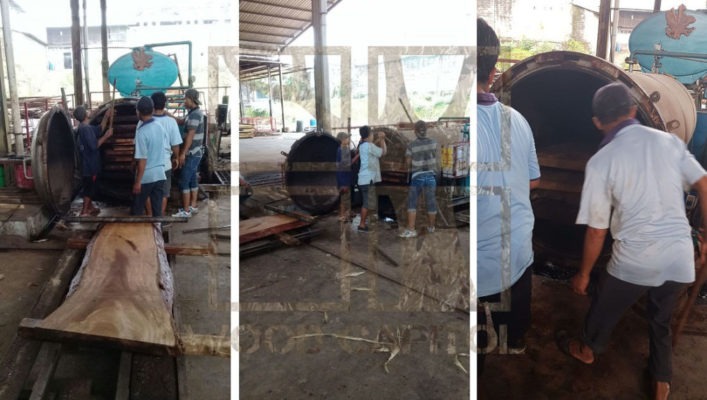
Read further on how our Suar Wood is treated and kiln-dried as compared to others
The treatment process is carried out by placing the Solid Wood Slabs in the tank. The door is shut and a vacuum is created inside it. Then the pressure treatment fluid is allowed to enter and is forced into the wood under the pressure. It penetrates to a depth of a few millimeters. We are focused on providing Vacuum Pressure Treatment that is a process in which Timber is impregnated with water containing preservative.
This helps in preventing from wood-destroying fungi, rot and insects including termites. Our Vacuum Pressure Treatment does not colour the raw wood in the process. Benefits of such treatment greatly reduced the warping and does not encourage the formation of cracks.
Wood Capitol Kiln Dry Expert
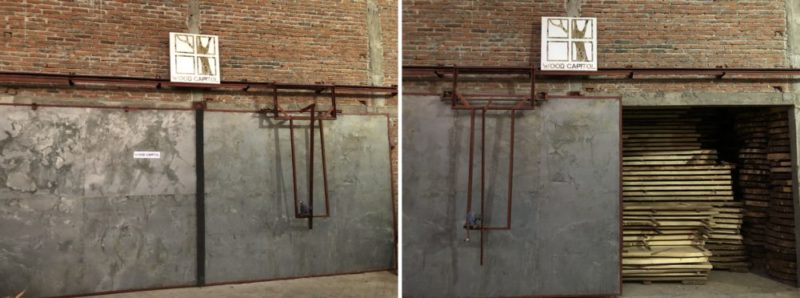

Freshly cut timber contains around 70%-80% moisture. We remove the free water through air drying to reduce the moisture to 30%. When the moisture comes down to 30%, it becomes more difficult to bring down the moisture.
Therefore it needs to be put in our Kiln Dry to help bring down the moisture below 12% for domestic use as opposed to many of our industry peers of 18-25%. This minimizes expansion and contraction of the wood over the seasons. It will also be free from warping, buckling & moisture related defects.
Losses during Kiln Dry

Proper drying result in losses during the process of kiln dry due to high temperature to absorb moisture from the wood. This is a necessity to produce the best quality Wood Slab. We cut off the crack part instead of patching over the cracks as the cross-grain design are much more durable at every inch. Which means, if a piece is cut out from the end after proper drying, it doesn’t affect the core of the wood. This makes it the perfect wood to come up with intricate shapes and designs that are not possible with other pieces of wood.
At Wood Capitol, we make full use of our leftovers, so nothing is wasted. Any leftovers from cutting to tabletop are re-used as base material or finger joints for furniture making. Our wood slabs also comes with a lifetime guarantee against termite, warping & fungus for indoor use only.
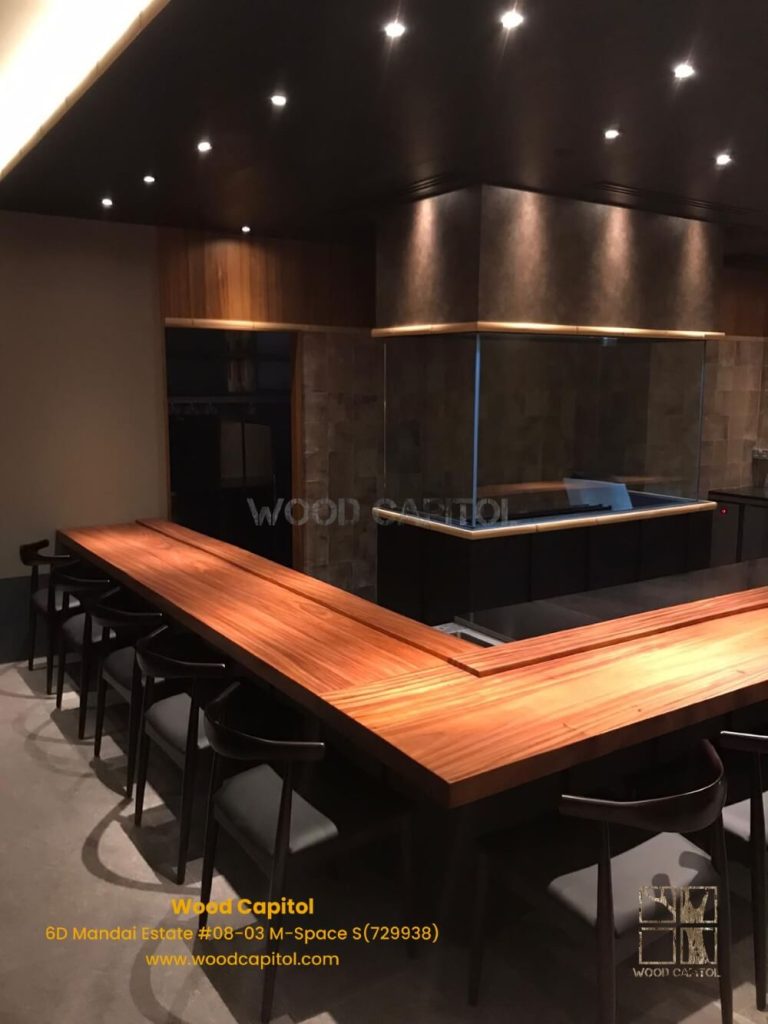
With suar wood, you can create tables of almost any shape. It doesn’t have to be only rectangle. You want a table designed in the shape of number eight? It will be possible. This is perfect for interior designers who are looking to bring a different design for their projects or to create tables that fit certain spaces. Sculptors also use suar wood extensively because of the customisable nature of the wood. This makes suar wood truly versatile.
The Beauty of Suar Wood Table
These are some of suar wood tables made by our expert:


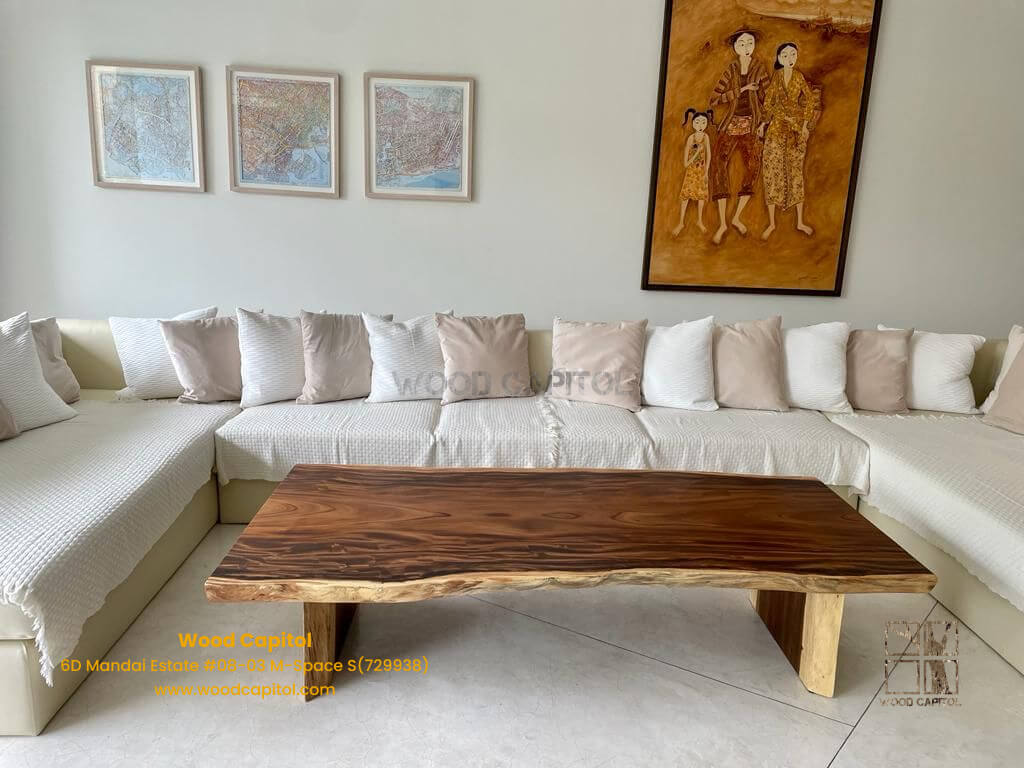




Suar Wood Durability
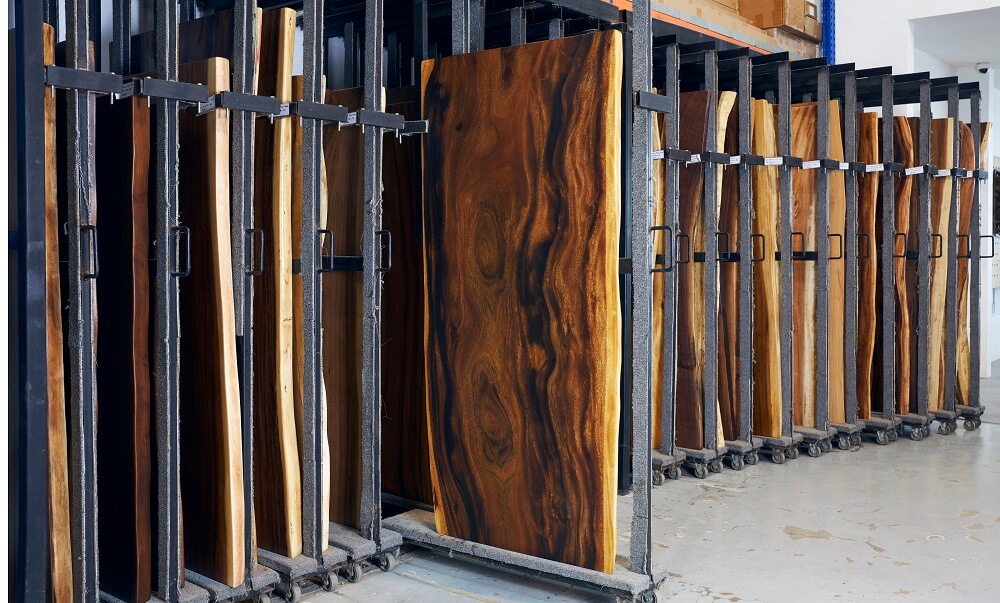
As one of the leading Live Edge Solid Wood Slab specialist in Singapore. We are always well stocked for you to pick out your conversational piece. Instead of selling through photos which colour and grains will vary depending on your screen settings and resolution. We welcome you to our humble workshop to see all the fine details such as grain and colour before committing. You can also take a look at how we work on our wood pieces as we have the capability to customise and cut the wood to your desired shape and sizes.
South American Walnut vs North American Black Walnut
South American Walnut or Suar Wood came from the same species, the Rain Tree. The differences between the both are the origin which is either one came from South America or Southeast Asia. Wood Capitol carries South American Walnut a.k.a Suar Wood from South America which have better color, density, quality and exceptional grains due to its favorable soil and stable growing environment.

North American Black Walnut slabs that are often book-matched or joint as well as require extensive epoxy resin to cover its holes and cracks. Book-matching wood slabs is the practice of matching 2 or more wood slabs to form a single piece table. Our $0.02 cents opinion, we prefer you to buy Single Solid Wood Slab as opposed to joint wood slab due to its value as larger tree are hard to come by now.

Though book-matched black walnut slabs are also attractive, they lack the grandeur of a single-piece slab and are generally thinner. Wood Capitol’s single-piece slabs range from 50mm to 60mm in thickness, compared to an industry average of 40mm for book-matched pieces. The thicker the piece, the more it can withstand multiple sanding and repairs in the event of damage, since every sanding removes an average of 2mm from the slab. Therefore the thicker the black walnut slab, buffering in the inevitable need for future maintenance.
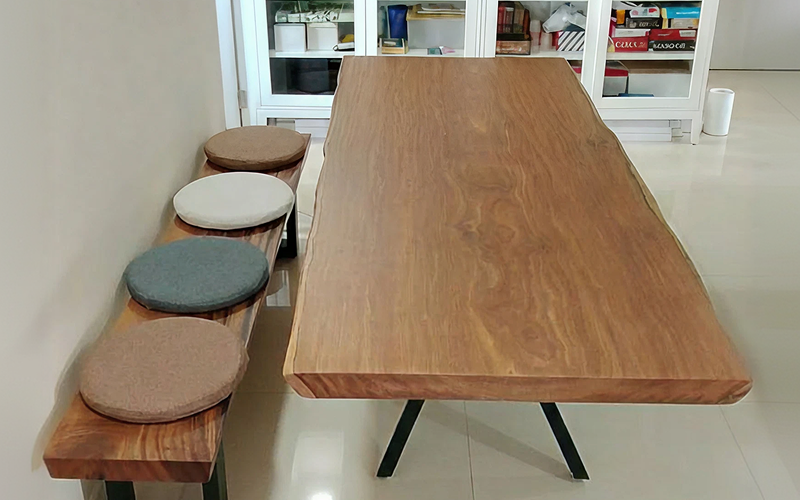
Another point to consider when weighing up the relative merits of single-piece slabs versus joined slabs is the fact that joined slabs are ill-suited to wooden dining tables because of the grooves, however slight, between their joints. Since a dining table with invariably require wiping and spillages over its years of service, it is advisable to use single pieces to avoid the pooling of dust, debris and liquids.

If you are looking for a single piece of solid wood, Suarwood is definitely the ideal fit for carving out an exceptional wood table that suit your home and office. We hope that you can make an informed choice with your investment on any single piece Solid Wood Slab that will last for generations to come.
Is Suar Wood in Singapore Expensive?
Every slab is customisable from the beginning to the end. Each and every piece is also unique and different in terms of grains and shapes. This isn’t a mass-manufactured product. This is a hand-crafted masterpiece perfectly suited to your needs. The cost of the end product depends on the size of the wood. Generally older the tree, the wider the slab that is available to be cut. Younger trees don’t result in wide slabs. Therefore, if you want a wider slab for a large table that will cost more than a slab that has a smaller width.
If you are planning to purchase valued pieces of Suar Wood Table for your home or office at affordable prices, then Wood Capitol is a MUST VISIT for you as we one of the largest ready stock direct manufacturer & supplier in Singapore. Always well-stocked with more than 1000+ slabs and we can deliver in 3 working days!
At Wood Capitol, we are the guys who are the expert in selecting Suar Wood legally & ethically sourced from South America sustainable forests. Direct prices & skipping the middleman fees. Some amazing pieces from our past deliveries of such unique wood slabs can be accessed from our gallery HERE. Get your beautiful honey and walnut tones, coupled with beautiful grain patterns wood slabs from only SGD $850.00
Feel free to visit our Singapore Showroom at: 6D Mandai Estate #08-03 M-Space S(729938)
Always insist in Wood Capitol Suar Wood for worry-free & quality Wood Slabs!
Article by Wood Capitol – Specialist in Suar Wood Furniture
All Images & Videos are owned by Wood Capitol Pte Ltd. Unauthorised use or reproduction is not permitted
Teak Wood: A Guide to Properties, Performance and Long-Term Value
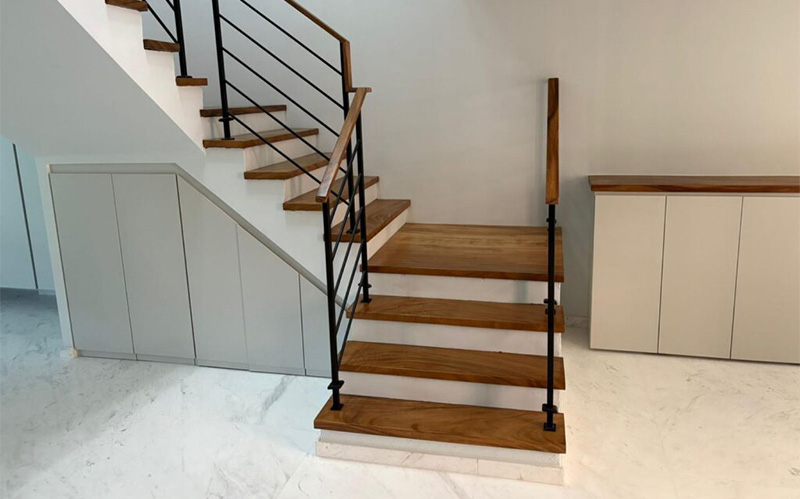
Why Solid Wood Handrails Age Better Than Engineered Alternatives
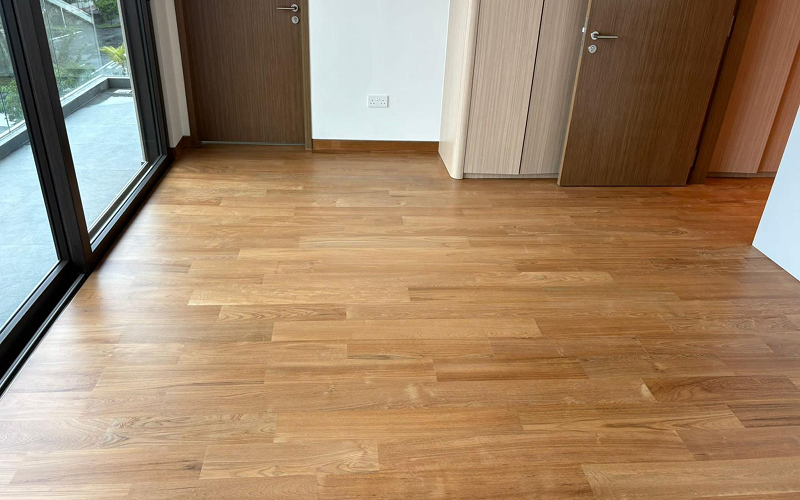
Wood Flooring Types for Singapore Homes: Hardwoods, Engineered, vs Solid Planks
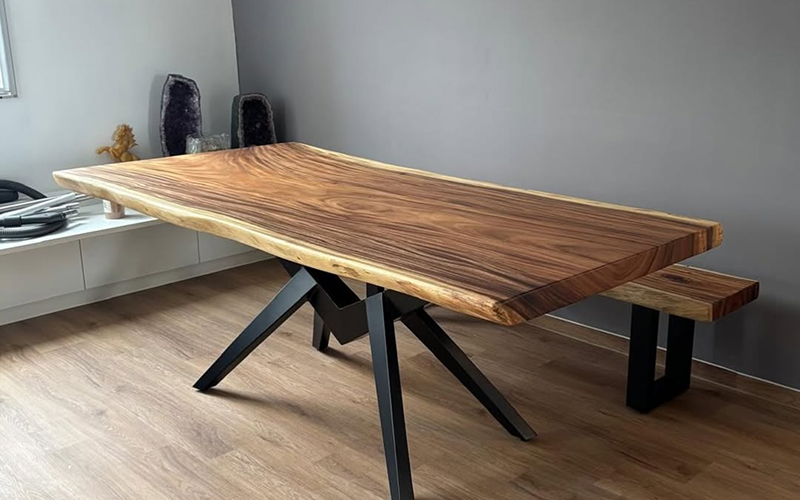
Can All Wood Tables Be Refinished? What Homeowners Should Know
Suar Wood Singapore - What you should REALLY know (2026)
